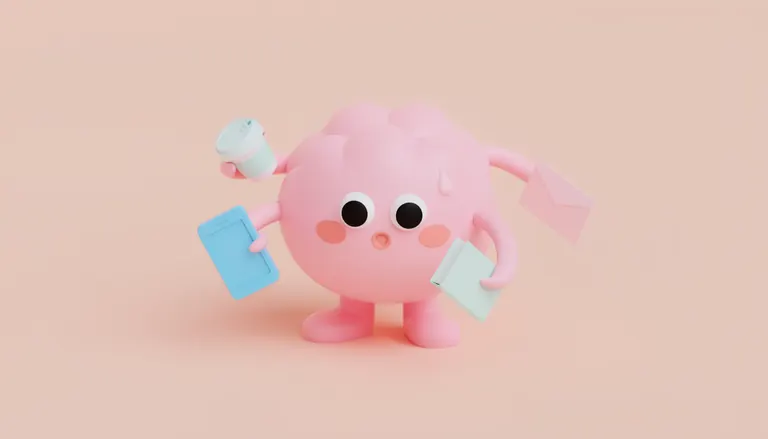
What happens to memories while you sleep
The observation that sleeping after learning helps memory dates back to 1924. Follow the research on how the sleeping brain replays the day's experiences.
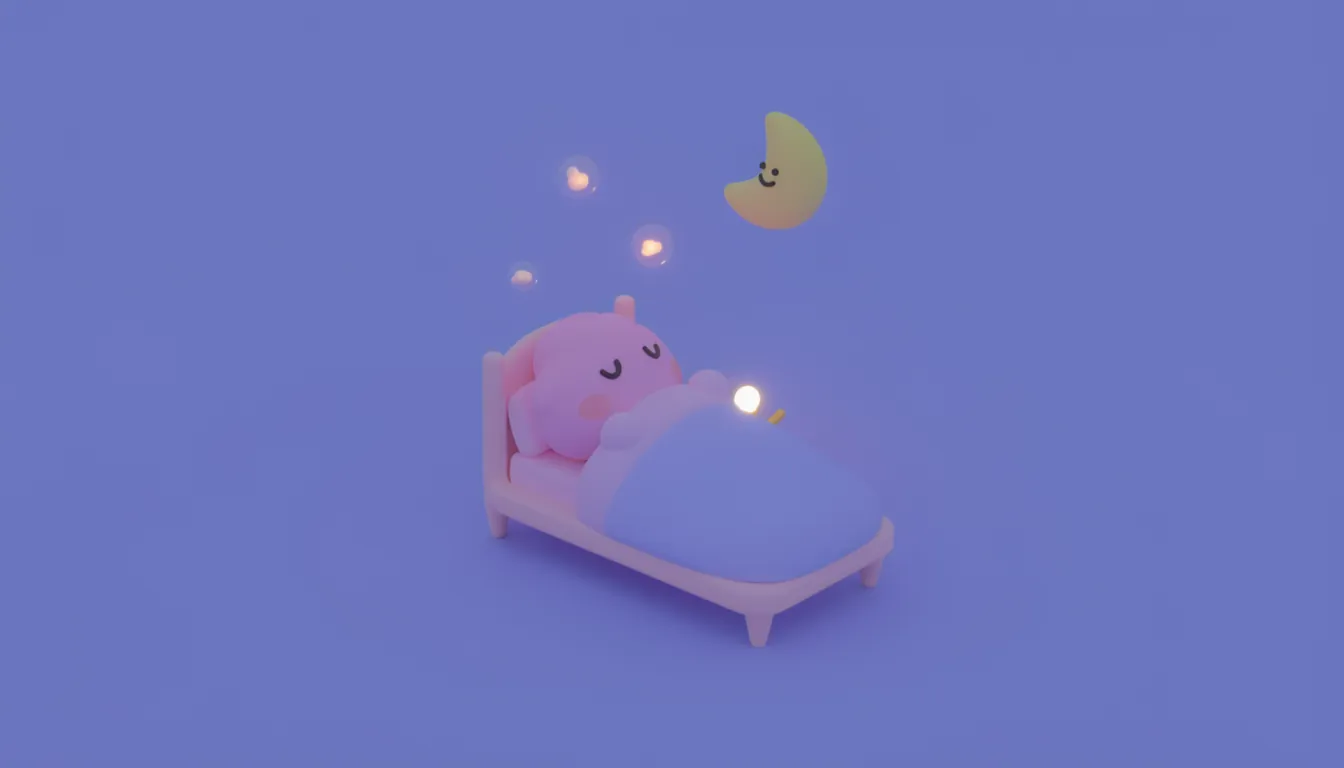
Most of us have crammed all night for an exam only to find the material missing when it mattered. The link between sleep and memory has been studied for far longer than you might think.
An experiment from 1924
American psychologists John Jenkins and Karl Dallenbach had two participants memorize lists of nonsense syllables and then tested recall after various delays. After the same amount of time, they remembered more if they had slept in between than if they had stayed awake. The researchers suggested that new information coming in while we are awake interferes with what we learned earlier.
The sleeping brain replays the day
In 1994 Matthew Wilson and Bruce McNaughton found that place cells in the rat hippocampus that fired together while the animal ran a track fired again in similar combinations while it slept afterward. The day’s experiences were being replayed during sleep.
Reviewing the field in 2010, Susanne Diekelmann and Jan Born described how memories replayed in the hippocampus during deep, slow-wave sleep are transferred to the cortex and stabilized. Sleep looks less like time off for memory and more like time to organize it.
Without sleep, new memories are harder to form
Sleep matters before learning, too. In 2007 Matthew Walker’s team asked people who had stayed up all night to memorize new pictures. They remembered fewer than people who had slept, and their hippocampus was less active while forming the memories. A sleepless night can reduce the ability to take in new information the next day.
In short
Sleep is time to replay and organize what we learned during the day, and time to get ready to learn again. That is why an all-nighter is less efficient than it seems.
Sources
- Obliviscence during sleep and waking. Jenkins JG, Dallenbach KM. American Journal of Psychology 35, 605–612 (1924)
- Reactivation of hippocampal ensemble memories during sleep. Wilson MA, McNaughton BL. Science 265, 676–679 (1994)
- The memory function of sleep. Diekelmann S, Born J. Nature Reviews Neuroscience 11, 114–126 (2010)
- A deficit in the ability to form new human memories without sleep. Yoo SS, Hu PT, Gujar N, Jolesz FA, Walker MP. Nature Neuroscience 10, 385–392 (2007)